A patient who books an appointment and doesn't show up costs your clinic more than just an empty chair. That slot is gone. The preparation time is wasted. And the next patient who genuinely needed that slot couldn't get it. For most Indian clinics, no-shows are the single largest avoidable drain on daily revenue — yet most clinics treat them as an unavoidable fact of life.
They are not. With the right systems in place, Indian clinics consistently cut no-show rates by 35–45%. This article breaks down exactly how to do it — using seven specific, proven strategies that work in the Indian clinical context.
The Real Cost of No-Shows: The Numbers for a Typical Indian Clinic
Let's make this concrete. Consider a general medicine or specialist clinic with the following profile:
- Average daily patients seen: 30
- Average consultation fee: ₹500
- Gross daily revenue at full capacity: ₹15,000
- Typical no-show rate without a reminder system: 20%
- No-shows per day: 6 patients
- Revenue lost per day to no-shows: ₹3,000
- Revenue lost per month (25 working days): ₹75,000 — ₹90,000
- Revenue lost per year: ₹9,00,000 — ₹10,80,000
For a clinic running on ₹15,000/day, losing ₹3,000 daily to no-shows represents a 20% permanent revenue leak. For specialists with higher fee structures, the loss is proportionally larger. A cardiologist or orthopaedic surgeon charging ₹1,000–₹1,500 per consultation loses ₹6,000–₹9,000 per day to no-shows.
A 40% reduction in no-shows — achievable with automated WhatsApp reminders alone — translates to recovering ₹1,200–₹1,500/day, or ₹36,000–₹45,000/month, for a clinic with 30 patients/day at ₹500 average fee.
Here are the seven strategies that deliver that result.
Strategy 1: Automated WhatsApp Reminders (24 Hours + 2 Hours Before)
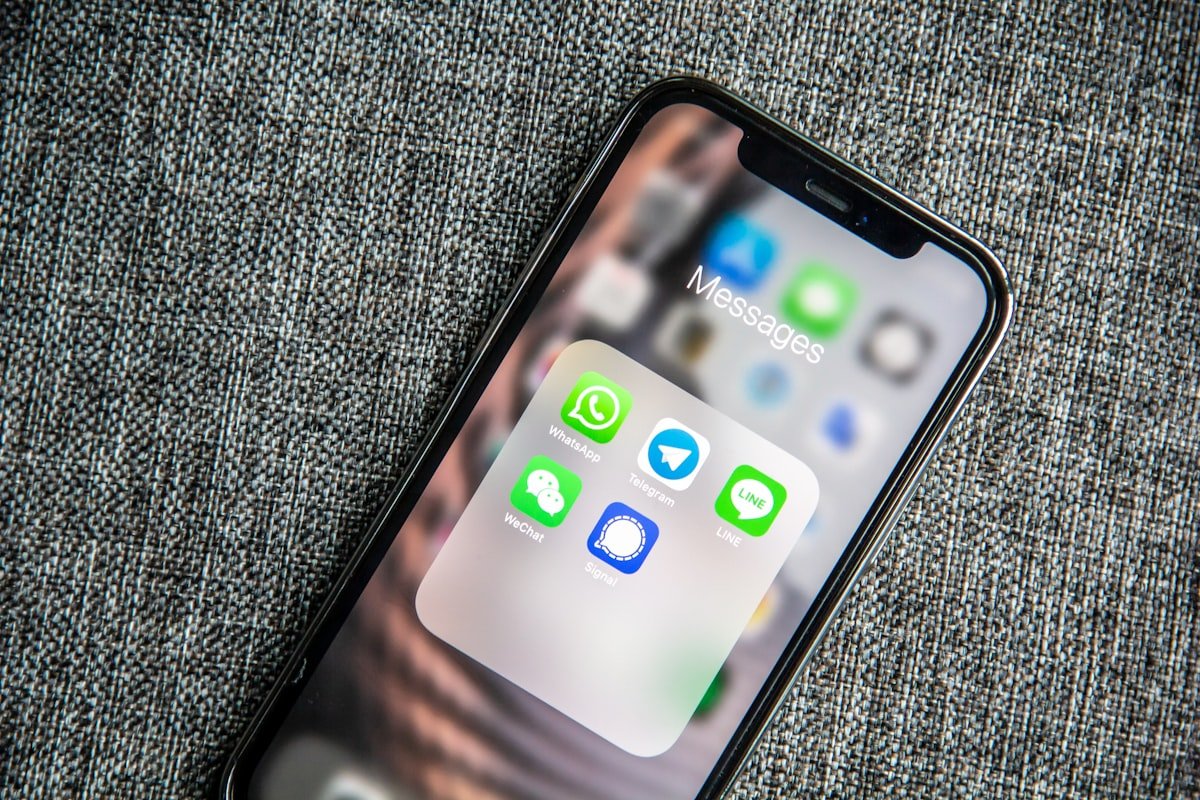
This is the single highest-impact change you can make, and it requires zero manual effort once set up. WhatsApp has a 95%+ open rate among Indian patients — far higher than SMS, phone calls, or email. A reminder that is actually read is a reminder that actually works.
The optimal reminder schedule:
- 24 hours before the appointment: The primary reminder. This gives the patient enough notice to reschedule if they have a conflict — instead of simply not showing up. It also prompts patients who forgot to note the appointment time to prepare.
- 2 hours before the appointment: The day-of nudge. At this point, cancellations are less likely, but the reminder reduces the "I forgot it was today" no-show — one of the most common types.
What the message should include: Patient's name, doctor's name, date and time, clinic address, and a note about what to bring (reports, insurance card, etc.). Personalised messages outperform generic ones — using the patient's name alone increases engagement significantly.
Expected result: 30–45% reduction in no-shows from this strategy alone. Clinics using NexOPD's automated WhatsApp reminder system consistently see no-show rates drop from 18–22% to 10–13% within the first month.
NexOPD handles this automatically. Once an appointment is booked in the system, the 24-hour and 2-hour reminders are scheduled without any staff action. The WhatsApp messages are sent via the official WhatsApp Business API — not a workaround — ensuring reliable delivery and a communication log.
Strategy 2: Confirmation Requests (Reply CONFIRM or CANCEL)
A reminder that asks for a response is significantly more effective than a one-way notification. When patients are asked to actively confirm their appointment, the act of confirming creates a small psychological commitment that increases follow-through.
How it works: The 24-hour reminder message ends with: "Reply CONFIRM to confirm your appointment, or CANCEL if you need to reschedule."
What this achieves:
- Patients who CONFIRM are far more likely to show up — they have made an active decision
- Patients who CANCEL give you actionable information in advance — you can rebook the slot instead of losing it entirely
- Patients who don't respond are flagged for a follow-up call by staff — a much shorter list than calling everyone
Expected result: 15–20% further reduction in no-shows beyond reminders alone. More importantly, cancellation rates increase slightly (patients who wouldn't have shown up now tell you in advance), allowing slot recovery.
NexOPD processes CONFIRM and CANCEL replies automatically — confirmed appointments get a green tick in the dashboard, cancellations trigger a slot-open notification so staff can rebook immediately.
Strategy 3: Smart Overbooking for High-Risk Slots
Not all appointment slots carry the same no-show risk. Analysis across Indian clinic booking data shows that certain types of appointments have consistently higher no-show rates:
- First-time patients (who have no prior relationship with the clinic)
- Monday morning first slots (patients who booked over the weekend in optimism)
- Late afternoon slots on weekdays (busy patients who can't leave work)
- Follow-up appointments booked more than 2 weeks in advance
The strategy: For these high-risk slots, overbook by 1–2 patients beyond your standard capacity. This is standard practice in airline ticketing and hospital outpatient departments worldwide. A 20% no-show rate on high-risk slots means overbooking by 1 patient in a slot of 5 produces a full slot on average.
Important caveat: Overbooking only works if your flow management allows for some flexibility in patient waiting times. It works best in general medicine, basic consultations, and follow-up slots — not for specialist procedures with fixed time requirements.
Expected result: 10–15% improvement in slot utilisation for high-risk periods, with minimal disruption to the patient experience when managed thoughtfully.
Strategy 4: Advance Token / Deposit for First-Time Patients
First-time patients have no prior relationship with your clinic and no sunk cost in the booking. This makes them the highest no-show risk category — some clinics report 30–40% no-show rates for first-time patients who haven't been asked to pay anything in advance.
The strategy: Collect a small advance token (₹100–₹200) or a partial deposit at the time of booking for first-time patients. This token is applied toward the consultation fee on arrival.
Why it works: The advance creates a financial commitment. Patients who have already paid something are significantly more motivated to show up or, at minimum, to call and cancel if their plans change. The token amount doesn't need to be large — the psychological effect of any payment is disproportionate to the sum.
Implementation options:
- Online booking with Razorpay / UPI payment at the point of booking
- Verbal commitment for walk-in bookings with a reminder that the fee is partially pre-collected
Expected result: First-time patient no-show rates typically drop from 30–40% to 10–15% when even a small advance is collected.
Strategy 5: Patient Education at Booking (What to Bring, How to Reach)
A surprisingly large proportion of no-shows are not intentional. Patients don't show up because they:
- Forgot what documents/reports to bring and decided to postpone
- Couldn't find the clinic or got confused about the location
- Weren't sure whether the appointment was confirmed
- Didn't know about parking or access, and found it easier to stay home
The strategy: At the time of booking, send an automated confirmation message that includes:
- A Google Maps link to the clinic
- What reports, documents, or medications to bring
- The clinic's contact number for rescheduling
- Confirmation of the appointment (with date, time, and doctor's name)
- Any instructions specific to the consultation (e.g., "Please fast for 4 hours if you are visiting for a blood glucose test")
Expected result: Reducing logistical no-shows (the "I couldn't find it / didn't know what to bring" category) by 40–60%, which typically represents 3–5% of your total no-show volume.
Strategy 6: Follow-Up Reactivation for Chronic Patients
Chronic disease patients — those managing diabetes, hypertension, thyroid disorders, asthma, or any condition requiring regular monitoring — are your highest-lifetime-value patients. They need regular visits. But without a systematic follow-up, they often drift away: they miss one appointment, feel slightly better, and don't rebook for 6–9 months.
The strategy: Set up automated reactivation messages for chronic patients who haven't visited within a defined period. The message is simple: "It has been 3 months since your last visit for [condition]. Time to schedule your next check-up?"
Implementation:
- Tag patients in your clinic software by condition (e.g., "hypertension", "diabetes")
- Set a follow-up interval appropriate for each condition (monthly, quarterly, bi-annual)
- Automate a WhatsApp reactivation message when a patient passes that interval without booking
Expected result: 20–30% of lapsed chronic patients rebook within 2 weeks of receiving a reactivation message. This strategy doesn't just reduce no-shows — it actively recovers lost appointments and improves clinical outcomes for patients who genuinely need ongoing care.
NexOPD's follow-up reminder system allows you to configure these reactivation intervals per patient or per condition tag, with automated WhatsApp messages sent without any staff involvement.
Strategy 7: Post-Visit Feedback to Improve Retention
Patients who feel seen and heard are more likely to return. Post-visit feedback collection is often treated as a "nice to have" rather than a retention tool — but the data says otherwise. Clinics that collect and respond to patient feedback see measurably higher return visit rates.
The strategy: Send an automated post-visit WhatsApp message 4–6 hours after the consultation asking for a brief rating: "How was your experience at [Clinic Name] today? Reply 1 (Excellent), 2 (Good), or 3 (Needs improvement)."
Why it works:
- Patients who respond positively (1 or 2) have actively reaffirmed their positive experience — they are more likely to return and refer others
- Patients who respond with 3 give you an opportunity to follow up and resolve their concern before it becomes a lost patient or a negative review
- The act of asking itself signals that your clinic values patient experience — which builds loyalty
Expected result: Patient return rates increase by 10–15% for clinics consistently running post-visit feedback. Combined with follow-up reactivation (Strategy 6), this is the compound that turns one-time patients into regular patients.
Putting It All Together: What a No-Show Reduction System Looks Like
The most effective approach combines these strategies into an integrated system — not a manual checklist that staff need to remember. Here is what the automated flow looks like for a clinic using NexOPD:
- Patient books appointment → Instant confirmation WhatsApp with clinic location, instructions, and what to bring
- 24 hours before → Automated reminder with CONFIRM/CANCEL option
- Patient replies CANCEL → Slot marked open, staff notified to rebook
- 2 hours before → Day-of reminder for patients who confirmed or didn't respond
- Post-visit (4–6 hours later) → Feedback request + prescription PDF delivery
- 3 months later (for chronic patients) → Reactivation message if no new booking
This entire flow runs automatically. No staff calls, no manual messages, no chasing. The only human involvement is reviewing the dashboard for cancellations that need rebooking and following up with patients who flagged negative feedback.
Expected Aggregate Results
Based on data from clinics using comprehensive reminder and follow-up systems:
- No-show rate reduction: 35–45% within the first 4–6 weeks
- For a 30-patient/day clinic at ₹500 average fee: recovery of ₹36,000–₹45,000/month in previously lost revenue
- Staff time saved on manual reminder calls: 2–3 hours per day
- Patient satisfaction improvement from post-visit feedback: measurable in 60–90 days
The ROI on an automated clinic management system that handles all of this is typically achieved within the first month of use — the recovered revenue from reduced no-shows alone exceeds the software subscription cost many times over.
Getting Started
NexOPD includes automated WhatsApp reminders (Strategies 1 and 2), follow-up reactivation (Strategy 6), and post-visit feedback — all built in, with no additional configuration or third-party tools required. The platform is designed specifically for Indian clinics and integrates with the WhatsApp Business API for reliable, compliant message delivery.
The free plan is enough to start seeing results immediately — up to 50 patients, with full access to the reminder and follow-up automation features.