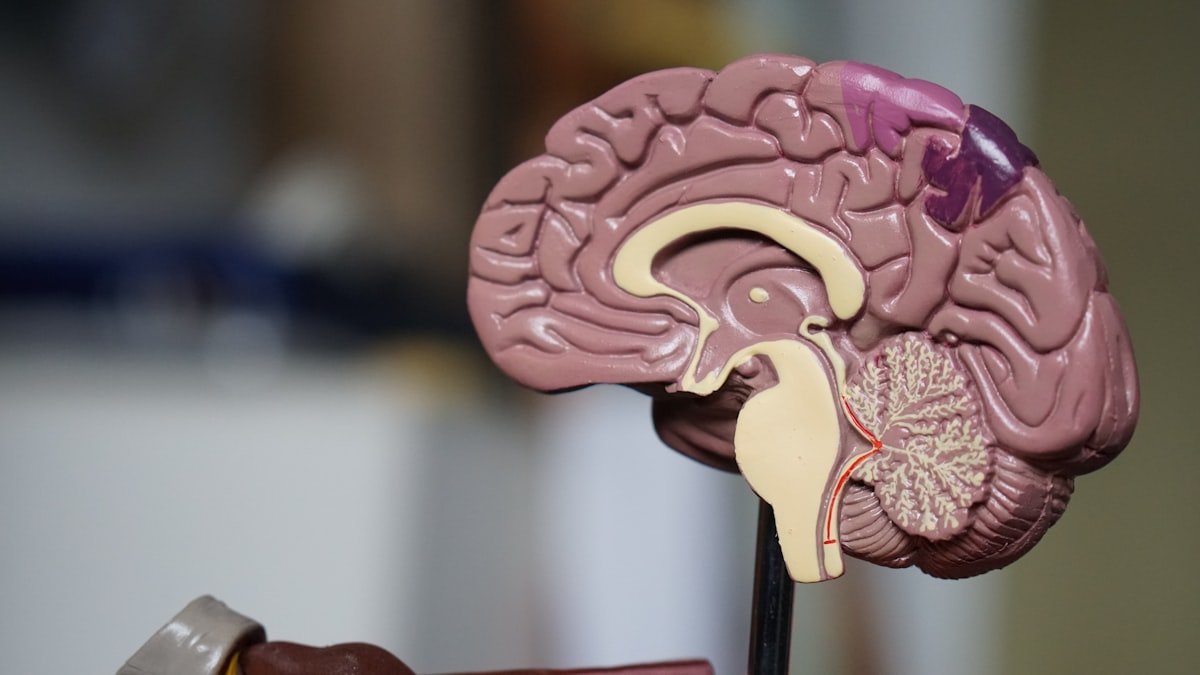
Neurology is arguably the most documentation-intensive specialty in medicine. A single neurology consultation can run 30–45 minutes and produce three to four pages of clinical notes — detailed neurological examination findings, cognitive assessment scores, medication titration decisions, and a complex management plan involving multiple specialists. At the same time, neurology patients are often chronically ill, returning for years with conditions that require meticulous longitudinal tracking. Generic clinic management software is profoundly inadequate for this specialty. Neurology clinic software must be built for complexity.
This guide covers what Indian neurologists need from their clinic management software and why AI-assisted documentation is not a luxury but a necessity in neurological practice.
Unique Challenges in Neurology Clinic Management
- Extremely long and complex consultations: Neurological history-taking and examination are time-consuming. A detailed cognitive assessment, cranial nerve examination, motor and sensory examination, and coordination assessment generate documentation that takes 20–30 minutes to write manually — for a single patient.
- Multiple concurrent chronic medications: Neurology patients are routinely on 3–6 chronic medications simultaneously — anticonvulsants, dopaminergic drugs, antispasticity agents, antidepressants, and neuroprotective drugs. Tracking drug levels, dose adjustments, and interactions across visits is critical.
- Cognitive and functional assessment tracking: MMSE scores, MoCA (Montreal Cognitive Assessment), UPDRS for Parkinson's, and NIHSS for stroke monitoring must be recorded at specific visits and compared over time — these scores are the primary outcome measures in neurology.
- Seizure and symptom diary: Epilepsy patients track seizure frequency between visits. This diary must be accessible during the consultation — but is typically maintained by the patient or caregiver, not the clinic.
- Complex referral and multidisciplinary letters: Neurology patients are often co-managed with neurophysiologists, neurosurgeons, psychiatrists, and rehabilitation specialists. Referral letters and discharge summaries in neurology are detailed documents that take significant time to produce.
What Neurology Clinic Software Must Do
1. AI Clinical Note Generation
For neurology, AI-assisted documentation is not optional — it is the only way to sustainably manage the documentation burden of complex neurological consultations. An AI that converts the neurologist's spoken or typed observations into a structured SOAP note — including detailed neurological examination findings, cognitive score interpretation, and management plan — can save 20–25 minutes per consultation.
2. Cognitive and Functional Assessment Score Recording
MMSE, MoCA, UPDRS (Unified Parkinson's Disease Rating Scale), NIHSS (for stroke), and GCS scores must be recordable as structured data fields — not just as numbers buried in free text. Stored as structured data, these scores can be trended over time and compared across visits without manual extraction.
3. Chronic Medication List With Titration History
Neurology patients on anticonvulsants, levodopa, or multiple sclerosis disease-modifying therapies undergo frequent dose adjustments. The software must display the complete medication history across all visits — including dose at each visit, when it was increased or decreased, and why — as a structured timeline, not just the current prescription.
4. Investigation Report Upload (MRI, EEG, NCS/EMG)
MRI brain and spine reports, EEG tracings, nerve conduction studies (NCS), and EMG reports must be uploadable per visit and linked to the investigation timeline. For patients with evolving conditions like MS or brain tumours, serial MRI reports are the primary monitoring tool.
5. Referral and Discharge Summary Generation
Neurology referral letters and discharge summaries are among the most detailed in medicine. An AI that generates a structured draft from the visit record — including presenting complaint, neurological history, examination findings, investigations reviewed, diagnosis, and management plan — dramatically reduces the time to produce a complete, accurate letter.
6. Seizure Frequency Tracking
Epilepsy patients should be able to report seizure frequency between visits — via a simple WhatsApp message, a patient portal entry, or a structured form completed at the reception desk. This information, tagged by date range, gives the neurologist objective outcome data at the follow-up visit.
How NexOPD Helps Neurology Clinics in India
NexOPD's AI clinical note engine is the most impactful feature for neurology clinics. Converting complex, multi-system neurological consultation notes into structured SOAP format — including the neurological examination, cognitive assessment interpretation, and multi-drug management plan — saves Indian neurologists 20–25 minutes per patient. Over a 20-patient session, that is 5–8 hours of documentation time recovered per week.
Investigation uploads including MRI reports, EEG tracings, and NCS/EMG PDFs are linked to individual visits and displayed in a chronological investigation timeline — giving neurologists immediate access to the full diagnostic history without searching through paper or email archives.
As OPD management software built for the Indian specialist, NexOPD's prescription module tracks the full medication history across all visits — allowing neurologists to review exactly what was prescribed at which visit, at what dose, and why it was changed. For complex multi-drug neurology patients, this longitudinal medication record is indispensable.
Frequently Asked Questions
How does AI clinical note generation handle the complexity of neurological examinations?
NexOPD's AI processes unstructured input — typed or dictated notes from the neurologist — and generates a structured SOAP note that includes presenting complaint, detailed neurological history, examination findings (cranial nerves, motor, sensory, coordination, gait), cognitive assessment, investigations reviewed, diagnosis, and management plan. The neurologist reviews and edits the AI output before saving. It eliminates transcription time, not clinical judgment.
Can I record MMSE and MoCA scores as structured data and track them over time?
Yes. NexOPD's clinical notes support structured data entry alongside free-text findings. Cognitive scores, functional ratings, and seizure counts can be recorded as structured values at each visit — building a longitudinal dataset that supports monitoring of progressive neurological conditions.
Does NexOPD support MRI and EEG report uploads linked to specific visits?
Yes. PDF and image uploads are supported at the visit level. MRI reports, EEG tracings, and NCS/EMG results are linked to the visit date and displayed chronologically in the patient's investigation history — making serial imaging comparison accessible without physical file retrieval.