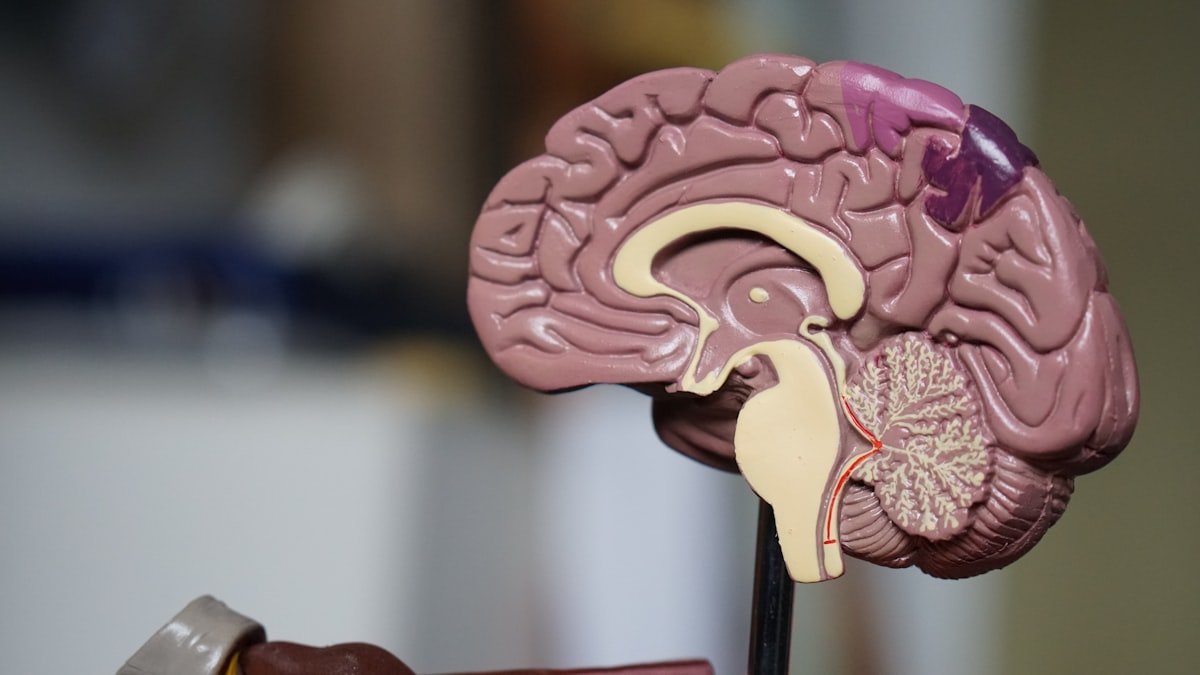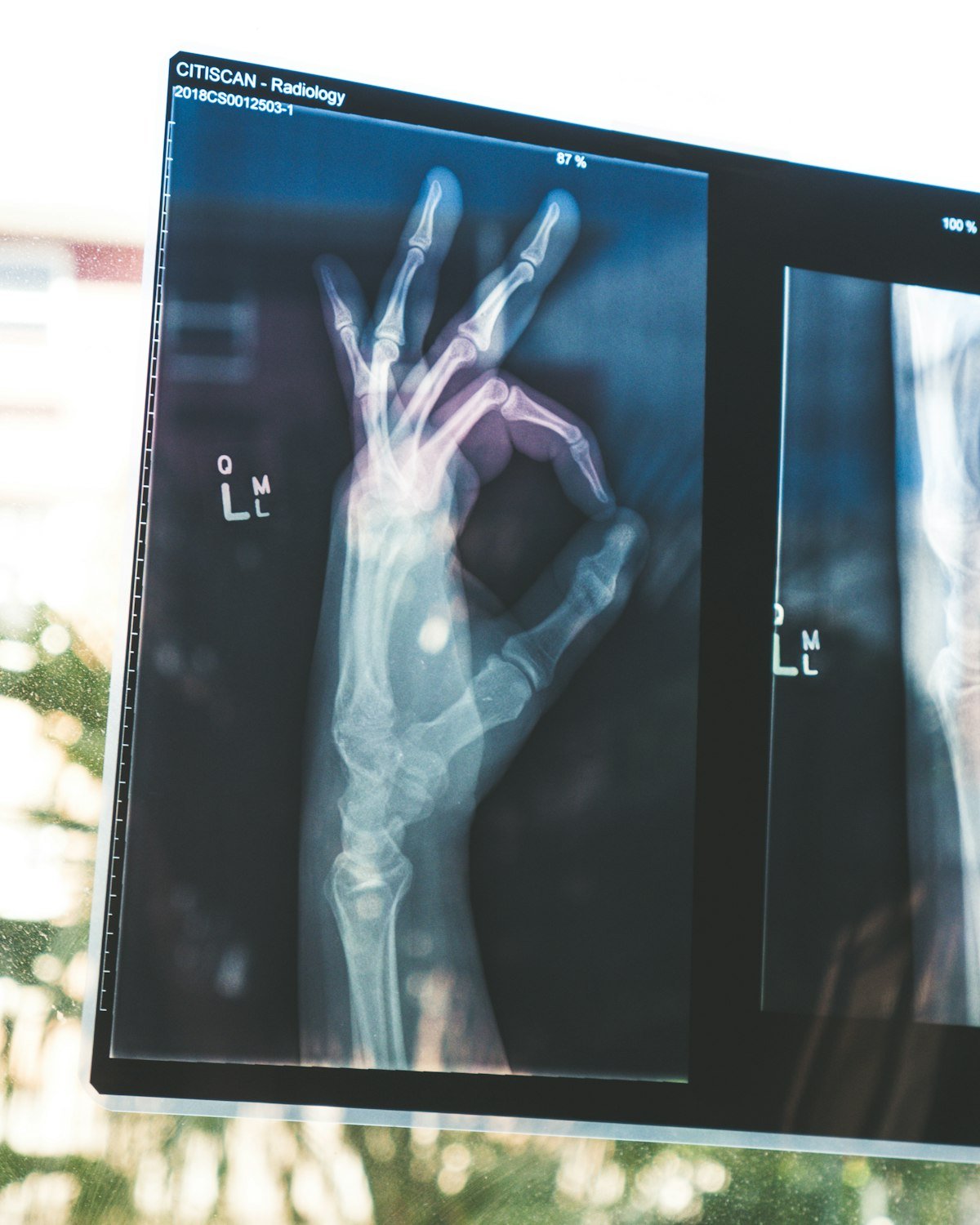
Orthopaedics is an investigation-heavy, procedure-heavy specialty with a large proportion of chronic patients managed over months or years. Indian orthopaedic surgeons manage acute trauma, elective joint replacements, chronic arthritis follow-ups, and physiotherapy referrals — often in the same session. Orthopaedics clinic software must handle imaging reports, surgical histories, implant records, and physiotherapy scheduling in ways that general clinic management tools simply cannot.
This guide covers what Indian orthopaedic surgeons need from their clinic management software and how the right tools reduce documentation time while improving care continuity.
Unique Challenges in Orthopaedics Clinic Management
- Imaging-heavy workflow: X-rays, MRIs, CT scans, and DEXA bone density scans are ordered and reviewed at nearly every orthopaedic visit. These must be uploadable per visit and viewable in a chronological investigation timeline — not buried in a generic "documents" folder.
- Surgical and implant history: Patients with hip replacements, knee replacements, spinal implants, or fracture fixation hardware need their surgical history and implant details accessible at every visit — particularly when planning revision surgeries or interpreting post-operative X-rays.
- Physiotherapy co-management: Many orthopaedic patients receive concurrent physiotherapy. Scheduling physiotherapy sessions, tracking session attendance, and correlating physiotherapy progress with clinical review appointments requires integrated scheduling.
- Chronic pain and long follow-up cycles: Arthritis, spondylosis, and post-surgical rehabilitation patients return for months or years. Tracking disease progression, medication changes, and functional improvement scores (like VAS pain score) over time requires longitudinal data access.
- Cast and wound management follow-ups: Fracture patients return for cast changes, wound dressings, and suture removal at specific intervals. Missing these follow-ups can lead to complications. Automated reminders reduce default rates significantly.
What Orthopaedics Clinic Software Must Do
1. X-Ray and MRI Report Upload Per Visit
Imaging reports and images must be uploadable directly to the visit record — with date, type (X-ray, MRI, CT), and body part labelled. The patient's investigation timeline should show all imaging in date order, allowing the orthopaedic surgeon to compare pre- and post-operative imaging side by side.
2. Surgical and Implant History
Patient profiles must support a surgical history section — recording procedure name, date, implant type and manufacturer (for joint replacements and spinal hardware), operating surgeon, and hospital. This information must be visible on the consultation screen before the visit begins.
3. Physiotherapy Session Scheduling
Physiotherapy sessions must be schedulable as a distinct appointment type — with their own slot duration (typically 30–45 minutes), their own queue or calendar, and their own staff (physiotherapist). The orthopaedic surgeon's consultation schedule and the physiotherapy schedule must be visible together without conflicts.
4. Pain Score and Functional Outcome Tracking
Recording VAS (Visual Analogue Scale) pain scores, WOMAC scores for knee/hip arthritis, or ODI (Oswestry Disability Index) scores for back pain at each visit allows orthopaedic surgeons to track treatment response objectively. These scores should be graphable over time.
5. Fracture and Post-Surgical Follow-Up Templates
Pre-built follow-up schedules for common orthopaedic presentations — ankle fracture (2 weeks, 6 weeks, 3 months), knee replacement (2 weeks, 6 weeks, 3 months, 1 year), lumbar discectomy (2 weeks, 6 weeks, 3 months) — reduce the manual scheduling burden in busy post-operative clinics.
6. Orthopaedic Prescription Templates
Templates for acute musculoskeletal pain, post-operative analgesia, osteoarthritis management, and gout flares allow orthopaedic surgeons to generate complete prescriptions in under 60 seconds. The drug database must include NSAIDs, opioids, muscle relaxants, and bisphosphonates with correct Indian brand names.
How NexOPD Helps Orthopaedics Clinics in India
NexOPD supports document uploads — including X-ray images and MRI PDF reports — linked to individual visits and displayed in a chronological investigation timeline. The patient profile supports custom fields where orthopaedic surgeons can record surgical history and implant details, accessible at every future visit.
The AI clinical note engine reduces the documentation burden of complex orthopaedic consultations — generating structured SOAP notes from brief visit inputs, including examination findings, imaging interpretation, and management plan. For post-operative clinics with 30+ review patients per session, this time saving is material.
As OPD management software built for Indian specialists, NexOPD's appointment scheduling supports multiple appointment types with configurable durations — allowing orthopaedic OPD slots and physiotherapy slots to be managed from the same platform without scheduling conflicts.
Frequently Asked Questions
Can I upload X-rays and MRI reports directly to the patient's visit record?
Yes. NexOPD supports PDF and image uploads at the visit level. Imaging reports are linked to the specific visit and appear in chronological order in the patient's investigation timeline — making pre/post-operative comparison straightforward.
Can I record implant details for joint replacement patients?
Yes. Patient profiles support custom clinical notes and structured fields where orthopaedic surgeons can record implant type, manufacturer, and surgical date. These details appear on the consultation screen at every future visit.
Does NexOPD support separate scheduling for physiotherapy appointments?
Yes. The appointment scheduling module supports multiple slot types with different durations. Physiotherapy sessions can be configured as a separate appointment type — managed by the physiotherapy staff independently from the orthopaedic OPD calendar.